
Medical
Brain injuries
Damage that changes neuronal activity and disrupts normal brain function.
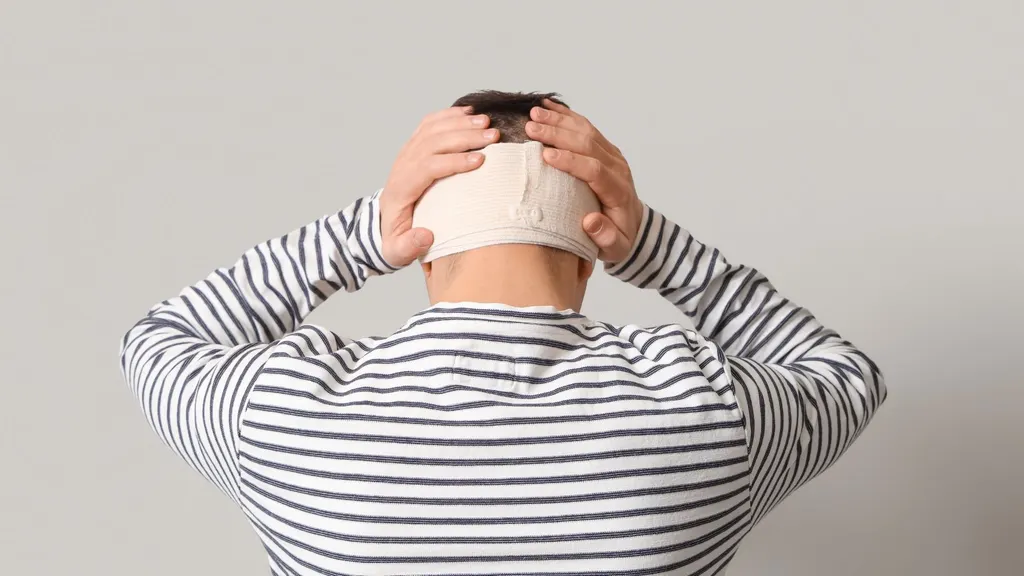
A brain injury, whether a sports concussion, a fall, a car accident or a more serious traumatic brain injury (TBI), changes how neurons communicate and can leave a child, teen, athlete or adult struggling with headaches, focus, mood, sleep or balance long after the visible injury has healed. At WIN in Houston and San Juan, we evaluate what the injury disrupted, treat the medical factors that slow healing, and use measured therapies to support recovery.
What is a brain injury?
A brain injury is damage that changes neuronal activity and disrupts normal brain function. A concussion is the mildest and most common form of traumatic brain injury: a blow or sudden jolt makes the brain move inside the skull, stretching nerve fibers and upsetting the chemical balance neurons depend on to signal each other. More severe injuries can involve bruising, bleeding or swelling of brain tissue.
The injured brain works harder to do what used to be automatic, which is why fatigue, slowed thinking and emotional changes are so common afterward. A concussion is not "just a bump on the head," and a normal CT or MRI does not mean the brain is working normally: imaging shows structure, not function.
Signs of a lingering brain injury parents notice
Most people improve in the first weeks after a concussion. When symptoms persist, parents often describe changes like these:
- Headaches that come back with homework, screens or bright light, weeks after the injury.
- A child who "can't focus like before": slipping grades, rereading the same page, losing track of instructions.
- A shorter fuse, tearfulness or irritability that is out of character.
- Sleeping far more than usual, or unable to fall asleep or stay asleep.
- Dizziness, bumping into things, trouble on stairs.
- Covering their ears in the cafeteria, or asking people to repeat themselves.
- Feeling "foggy," slower to answer, forgetting things that used to be easy.
- In teens and athletes, slower reaction time or lost confidence that coaches notice first; in adults, trouble multitasking at work or a low mood that began after the accident.
A worsening headache, repeated vomiting, confusion or loss of consciousness after a head injury is an emergency. If symptoms last beyond a few weeks or interfere with school, work or sports, seek a full evaluation.
What keeps brain injury symptoms going, and why that matters for treatment
Two people can have the same injury and recover very differently, so WIN looks for what may be slowing one person's healing. Research points to inflammation in the brain after an injury as a driver of persistent symptoms, and repair depends on specific nutrients, so WIN evaluates for nutritional deficiencies and metabolic imbalances.
Head trauma can also affect hormone regulation, sleep, and the vestibular (balance) and auditory systems, which is why dizziness, noise sensitivity and trouble following conversation in noise are so common. WIN also assesses primitive reflexes and prior conditions, such as attention difficulties, that an injury can amplify. Each contributor points to a different treatment step, which is why finding them matters more than waiting for rest to work.
How WIN evaluates a brain injury
Phase I begins with the initial medical evaluation (step 01): about 1 to 1.5 hours with the physician and roughly 3 hours in the office. We review how the injury happened, prior imaging and treatments and the medical history, and complete medical and neurodevelopmental tests. The specialized laboratories (step 02) for brain injury typically include nutritional deficiencies, metabolic panels and hormone panels, with other panels added when the history calls for it.
Among the WIN neurodevelopment evaluations, the Franceschi Method development test is central: it documents balance, coordination, attention and memory so recovery is measured against a real baseline. The primitive reflex test identifies reflex patterns interfering with motor control, and the listening test (CAPD) and tympanogram are used when noise sensitivity or difficulty following speech is part of the picture. Families leave with a written, individualized treatment protocol that complements the care of their neurologist or concussion clinic.
How we treat brain injuries: the three phases
Phase I — Evaluation and planning. The medical evaluation, specialized labs and follow-up appointment (step 03) produce a protocol for the medical conditions found, so healing is not held back by a deficiency or inflammation no one had checked.
Phase II — Evaluation results and protocols. Medical and nutritional protocols for brain injury typically include dietary modification to lower inflammatory load and individualized supplementation based on lab findings, through functional medicine and nutrition. The WIN neurodevelopment evaluations then shape the therapy plan discussed with the family in step 06.
Phase III — Multisensory and psycho-emotional therapy. Brain injury therapy usually combines hyperbaric oxygen therapy, oxygen delivered under pressure to support healing and brain function; PEMF for cellular energy and recovery; neurofeedback to train the brainwave patterns tied to focus, sleep and mood; and balance and coordination work in the gym. The sensory room helps with light and noise sensitivity. Results are measured constantly and parents receive reports and training as part of the team, following the Franceschi Method®.
What families can expect
Evaluation, labs and the follow-up visit come first; therapy then runs in scheduled sessions at the Houston or San Juan center, since HBOT, PEMF and neurofeedback are in-person therapies. Follow-ups can often be done by telemedicine for families in Texas, Florida and Puerto Rico; families from elsewhere travel to one of our centers for therapy blocks.
Sooner is generally better after an injury, but later recovery is still possible. Early progress often shows up as better sleep, fewer headaches and more tolerance for screens and noise before complex focus returns. Parents help by tracking symptoms, protecting sleep and pacing the return to school and sports.
If a concussion or brain injury is still affecting your child, your teen or you, we would like to help you understand why and what can be done. Request an orientation with our team in Houston or San Juan through our contact page and we will walk you through the next steps.
How it works
How WIN approaches brain injuries
- I Evaluation and planning Initial medical evaluation · Specialized laboratories · Follow-up appointment
- II Evaluation results and protocols Medical and nutritional protocols · WIN neurodevelopment evaluations · Treatment protocol discussion
- III Multisensory and psycho-emotional therapy Therapy sessions and progress measurement
Therapies and services that help
All servicesHyperbaric oxygen therapy
Oxygen delivered under pressure to support healing and brain function.
Learn morePEMF
Pulsed electromagnetic field therapy to support cellular energy and recovery.
Learn moreNeurofeedback
Real-time brainwave training for focus, regulation and learning.
Learn moreGym
Motor, balance and coordination work that builds brain connections.
Learn moreSensory room
A controlled space for sensory integration and regulation.
Learn moreCommon questions
Can the brain recover after a concussion or traumatic brain injury?
The brain has a real capacity to form new connections, a property called neuroplasticity, and most people improve after a concussion with time and the right support. When symptoms persist, WIN looks for what is slowing recovery, such as inflammation, nutritional deficiencies, hormone changes or balance and auditory problems, and treats those alongside therapies that stimulate healing. How much a person recovers depends on the injury and the individual, so we measure progress constantly instead of promising a result.
What are the signs of a lingering concussion in a child or teen?
Parents typically notice headaches that return with schoolwork or screens, trouble focusing, falling grades, irritability or tearfulness, changes in sleep, dizziness or clumsiness, and sensitivity to noise or light. Teens and athletes may show slower reaction time or lose confidence in their sport. If these signs last beyond a few weeks after the injury, or get in the way of school or sports, a full evaluation is warranted. Worsening headache, vomiting, confusion or a seizure are emergencies that need immediate care.
Which therapies at WIN help brain injury recovery (HBOT, neurofeedback, PEMF)?
A brain injury plan at WIN usually combines hyperbaric oxygen therapy, which delivers oxygen under pressure to support healing and brain function, PEMF to support cellular energy and recovery, and neurofeedback to train the brainwave patterns involved in focus, sleep and mood. Balance and coordination work in the gym and sensory room sessions address dizziness and sensitivity. These therapies sit on top of a medical and nutritional protocol built from each patient's labs, and progress is measured throughout.
How soon after an injury should treatment start?
Emergency care and medical clearance always come first. Once a person is stable, earlier evaluation generally gives the brain more support during the period when it is actively repairing. That said, families come to WIN months or even years after an injury, and improvement is still possible later, so the right time to be evaluated is as soon as you notice that symptoms are not resolving. A written protocol lets you start with the steps that matter most.
Do you accept insurance?
Please contact our team for current information on insurance, payment options and what to expect for your plan — it varies by location and by service. We will walk you through it before your first visit.
Do I need to travel to Houston or San Juan, or can we start remotely?
Telemedicine is available for families in Texas, Florida and Puerto Rico, and many families start that way. The WIN neurodevelopment evaluations and the Phase III therapies happen in person at our Houston or San Juan centers; international families are welcome at both.
Not sure which condition applies?
Request an orientation — our team will guide you.