
Medical
Neurological disorders
Illnesses that affect the brain, nerves or spinal cord.
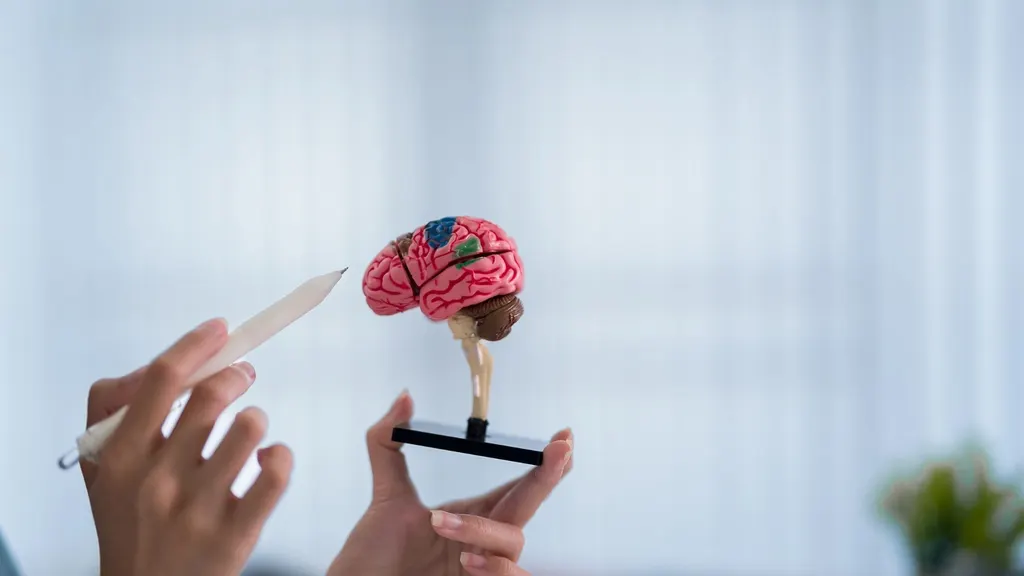
Neurological disorders are illnesses that affect the brain, nerves or spinal cord, and in children they shape how a child moves, speaks, learns and regulates. Families come to WIN in Houston and San Juan with seizure disorders, tics and Tourette's, cerebral palsy, hypotonia and developmental delay, usually with a neurologist already on their team. WIN adds what a diagnosis alone does not: a search for the medical and nutritional factors that can be improved, and measured therapies that stimulate the brain's capacity to build new connections.
What are neurological disorders?
A neurological disorder is any condition in which the structure or function of the nervous system is altered. Some are present from birth or early infancy, such as cerebral palsy or hypotonia (low muscle tone); some emerge in childhood, such as seizure disorders or tic disorders including Tourette's; and some are described by their effect rather than their cause, as with developmental delay. In each case, communication between neurons, or between the brain and the body, is disrupted.
The brain is not fixed. Neuroplasticity, its ability to form and strengthen connections in response to stimulation, continues throughout childhood and into adult life, and it is the biological basis for the work WIN does.
A neurological disorder is not the same as an intellectual disability. Many children with cerebral palsy, epilepsy or tic disorders have typical intelligence; the challenge lies in how the nervous system carries out what the child intends.
Early signs parents notice
Signs depend on the condition, but these are the observations that most often bring families to WIN.
- In infancy: a baby who feels "floppy" when held, has trouble holding the head up, or does not roll, sit or crawl on schedule
- In infancy: very stiff or very loose limbs, a strong preference for one side, or feeding and swallowing difficulties
- Brief staring spells, sudden drops, unusual repetitive movements or episodes the child does not remember afterward
- Repeated eye-blinking, facial grimacing, shoulder shrugging, throat-clearing or sounds the child cannot easily stop
- Late walking, frequent falls, clumsiness or difficulty with stairs, running or catching a ball
- Trouble with fine motor tasks: holding a pencil, using utensils, buttons or zippers
- Speech that is late, unclear or effortful
- Fatigue well beyond what peers show, or losing skills the child previously had
Any sudden loss of skills, a first seizure or a worsening of symptoms should be seen urgently by a physician. For persistent delays, tics or tone concerns, request an evaluation as early as possible, since the developing brain responds best to early stimulation.
What causes neurological disorders, and why that matters for treatment
Causes range from injury to the developing brain around birth, to genetic variants, to processes still being studied. What matters at WIN is that alongside the primary diagnosis there are often secondary factors that can be improved. Research points to nutrition, inflammation, gut health, metabolic function and environmental toxins as influences on how the nervous system functions and recovers, and retained primitive reflexes frequently accompany motor and developmental conditions.
WIN evaluates for these contributors because they are treatable. A child with cerebral palsy who also has nutritional deficiencies, or a child with tics who also has an inflammatory process or auditory processing difficulty, has more to gain from a plan that addresses all of it. This is where WIN differs from a diagnose-and-refer model: the neurologist manages the primary condition, and WIN looks for what else can be improved, then works on brain development directly.
How WIN evaluates neurological disorders
Phase I begins with the three-part initial medical evaluation: roughly 1 to 1.5 hours with Dr. Báez-Franceschi and about 3 hours in the office, including medical and neurodevelopmental testing, a review of the child's history, imaging and prior treatments, and an initial plan. Bring your neurologist's reports; WIN builds on them rather than repeating them.
Specialized laboratories follow, selected for the child. For neurological conditions these commonly include nutritional deficiencies, metabolic panels, genetic testing when it has not been done, environmental toxins, a food allergy panel and hormone panels. Findings are reviewed at the follow-up appointment.
In Phase II, the WIN neurodevelopment evaluations establish a baseline. The primitive reflex test and the Franceschi Method development test are central for motor, tone and developmental delay concerns, mapping which reflexes remain unintegrated and where the child sits on each developmental track. The listening test (CAPD) and tympanogram identify auditory processing issues that often sit behind language and attention problems. Parents walk away with a written, individualized treatment protocol and a baseline against which every later re-evaluation is compared.
How we treat neurological disorders: the three phases
Phase I — Evaluation and planning. The medical evaluation, labs and follow-up appointment identify what, beyond the diagnosis, can be improved. Any medication prescribed by your neurologist continues; WIN coordinates rather than replaces that care.
Phase II — Evaluation results and protocols. Medical and nutritional protocols begin right after the follow-up. For neurological conditions this typically includes a nutrition plan that supplies the raw materials neurons need, individualized supplementation for deficiencies found in the labs, and functional medicine protocols for inflammation or metabolic issues. The WIN neurodevelopment evaluations then shape the treatment protocol discussion, which sets goals for reflexes, motor skills, balance, speech, cognition and behavior.
Phase III — Multisensory and psycho-emotional therapy. Therapy sessions use integrated technologies to stimulate neurogenesis and neuroplasticity. For neurological disorders the plan usually combines hyperbaric oxygen therapy and PEMF to support healing and cellular energy, neurofeedback for regulation and attention, and work in the gym on tone, balance, coordination and reflex integration. Results are measured constantly against the Phase II baseline, and parents receive reports and training so the work continues at home. The complete approach is described on the Franceschi Method® page.
What families can expect
Therapy for neurological conditions is delivered in blocks of sessions in Houston or San Juan, with re-evaluations in between to measure change and adjust the protocol. Medical follow-ups and lab reviews can be done by telemedicine in Texas, Florida and Puerto Rico; international families plan their travel around the evaluation and therapy blocks.
Early progress often shows up in tone, balance and endurance before it shows in speech or learning, and for some children in fewer or milder tics or episodes; the pace depends on the condition and the child. Parents are part of the team from the start, carrying out home exercises and reporting what they observe to WIN and to the neurologist.
If your child lives with a neurological condition and you want a team that looks beyond the diagnosis, request an orientation with WIN in Houston or San Juan. We will review your child's history, explain the evaluation and answer your questions in English or Spanish. Contact us to get started.
How it works
How WIN approaches neurological disorders
- I Evaluation and planning Initial medical evaluation · Specialized laboratories · Follow-up appointment
- II Evaluation results and protocols Medical and nutritional protocols · WIN neurodevelopment evaluations · Treatment protocol discussion
- III Multisensory and psycho-emotional therapy Therapy sessions and progress measurement
Therapies and services that help
All servicesHyperbaric oxygen therapy
Oxygen delivered under pressure to support healing and brain function.
Learn morePEMF
Pulsed electromagnetic field therapy to support cellular energy and recovery.
Learn moreNeurofeedback
Real-time brainwave training for focus, regulation and learning.
Learn moreGym
Motor, balance and coordination work that builds brain connections.
Learn moreNutrition
Dietary changes that give the brain the building blocks it needs.
Learn moreStories shared with WIN
In their own words
“In a very short period of time we have seen so much developmental progress, thanks to Dr. Báez’s biomedical treatment as well as the intensive therapy sessions that the institute provides. We feel at ease and confident that our son is in good hands.”
Parent
Individual experiences vary. Testimonials describe these families’ experience and are not a promise of results.
Common questions
Which neurological disorders does WIN treat?
Families come to WIN with seizure disorders, tic disorders including Tourette's, cerebral palsy, hypotonia and developmental delay, among other conditions that affect the brain, nerves or spinal cord. Whether WIN's program is appropriate for a specific child is decided by Dr. Báez-Franceschi after the initial medical evaluation and a review of the child's history and prior treatment. Infants, children, adolescents and adults are seen.
Can neurodevelopment therapy help with seizures, tics or cerebral palsy?
WIN's therapies are designed to stimulate neuroplasticity and address factors such as nutrition, inflammation, retained reflexes and auditory processing that can affect how a child with these conditions functions. They are not a replacement for the neurologist's treatment of the primary condition, and outcomes vary from child to child. What WIN commits to is measuring: every child starts with a baseline, and progress is re-evaluated throughout so the family can see what is changing.
How is WIN's integrative approach different from a pediatric neurologist's?
A pediatric neurologist diagnoses and manages the primary neurological condition, often with medication. WIN works from a different angle: it looks for the medical and nutritional factors that can be improved alongside the diagnosis, and then uses measured therapies to stimulate brain development. The two roles complement each other, and WIN's plan is built to fit around the neurologist's treatment rather than replace it.
Does WIN work alongside my child's current neurologist?
Yes. WIN asks families to bring their neurologist's reports, imaging and current medications to the initial evaluation and builds the protocol on top of that care. Medications prescribed by the neurologist continue, and WIN can share its evaluation findings and progress reports with the rest of your child's medical team.
Do you accept insurance?
Please contact our team for current information on insurance, payment options and what to expect for your plan — it varies by location and by service. We will walk you through it before your first visit.
Do I need to travel to Houston or San Juan, or can we start remotely?
Telemedicine is available for families in Texas, Florida and Puerto Rico, and many families start that way. The WIN neurodevelopment evaluations and the Phase III therapies happen in person at our Houston or San Juan centers; international families are welcome at both.

Not sure which condition applies?
Request an orientation — our team will guide you.